Begin with the customer action
Decide what a visitor should do after exploring your business. A restaurant might need a menu and an ordering link. A shop may want to present products and its location. A service company may need a clear explanation of its work and a way to request an appointment or estimate. That decision gives the site a useful structure before choosing images or writing the first headline.
- Explain your products or services in terms customers understand.
- Make your location and contact details easy to find.
- Identify the supported ordering, booking or enquiry flow you want visitors to use.
See what our team has built
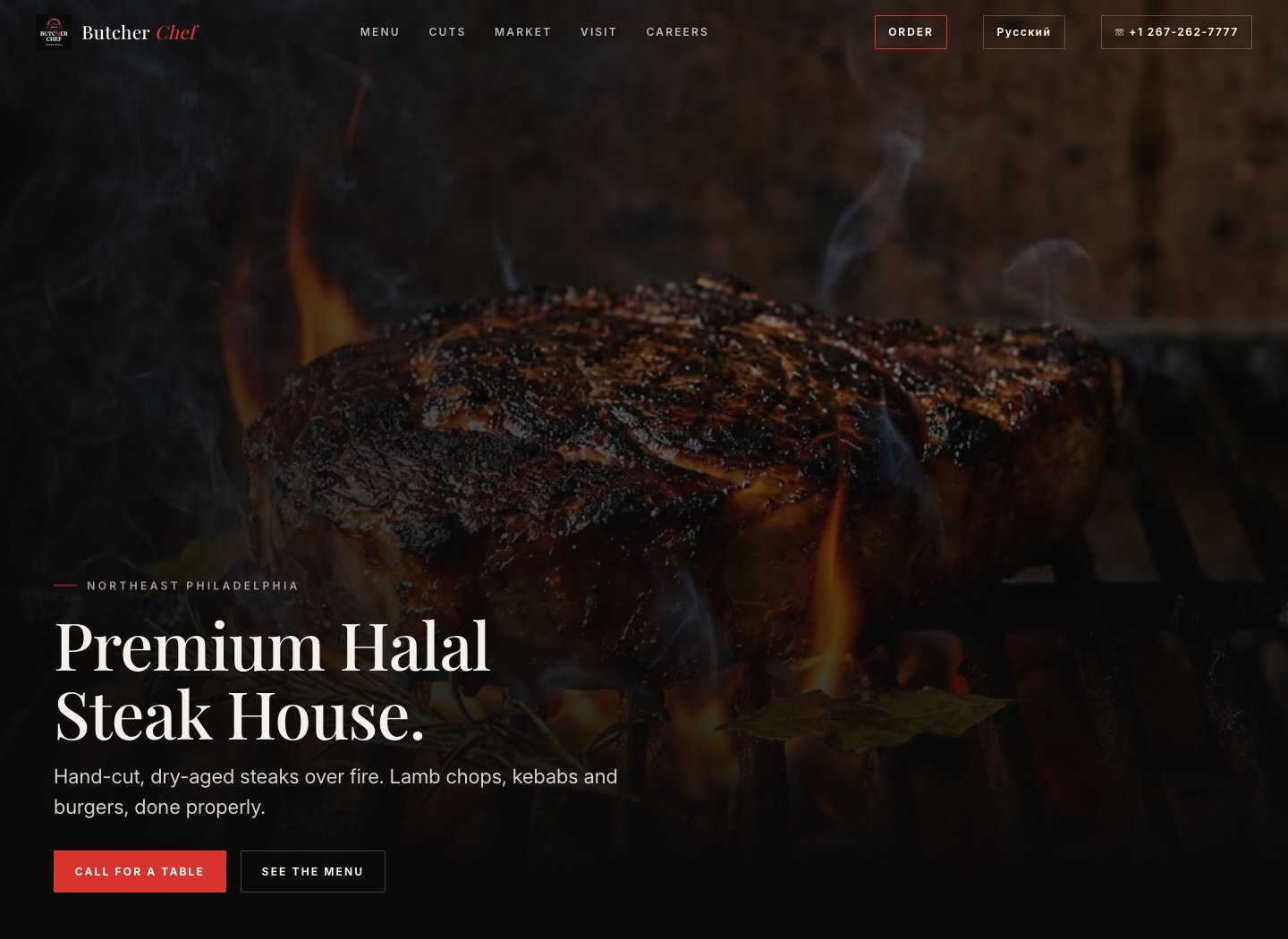
Our homepage portfolio links to Butcher Chef, Shawarma Stop and Sharq Family. Open the actual sites and explore their menus, location information and customer journeys. These examples show work by our team; your site should reflect your own brand, content and business priorities. Tell us what you find useful in an example and what your customers need to do differently.
Connect the website with your working tools
We review supported connections for online ordering, payments, booking or other business workflows. A website can display information without sharing live data with your POS, so explain where a connection is essential. We confirm compatibility, the agreed implementation scope and any third-party subscriptions or platform charges. Restaurant delivery-platform accounts and a direct website ordering flow are separate pieces of the plan, even when they serve the same customers.
Agree on content and ownership of the next step
Bring your business name, logo, current contact details and the product or service information you want published. We agree on the pages and content with you. For food businesses, menu photography can be discussed with its scope and schedule. Before setup, ask how future changes will be handled and which services are included in the proposal. Clear expectations make the website easier to use and easier to keep accurate.